

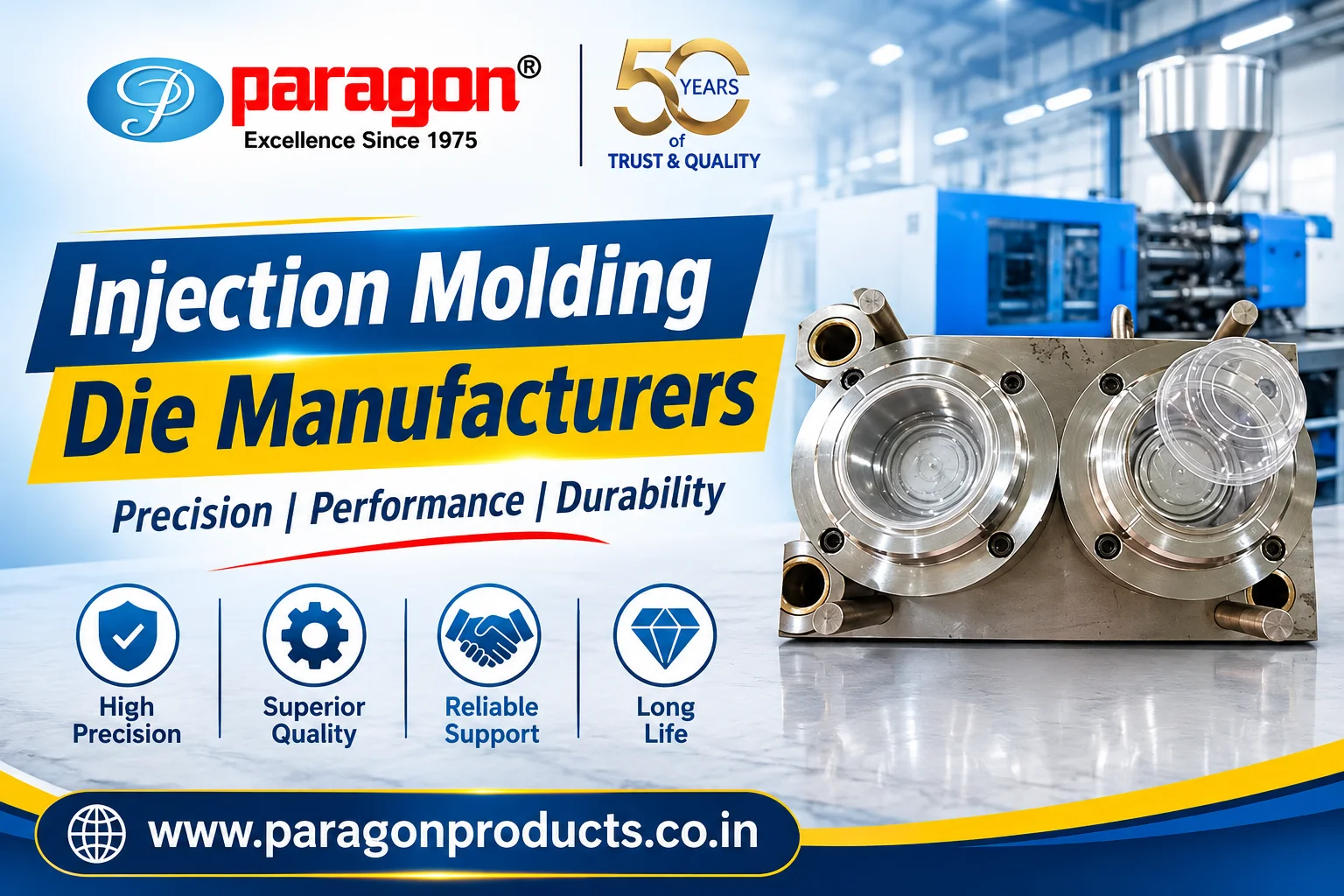
When a factory needs to produce thousands of identical plastic components every day, even a minor tooling defect can lead to material wastage, delayed orders, and increased operating costs. This is why injection molding die manufacturers play an important role in high-volume production. Their engineering expertise, tooling accuracy, and understanding of manufacturing requirements directly influence product consistency and production efficiency.
But when it comes to choosing the right one, it gets quite confusing due to the availability of several manufacturers. If you are also facing the same problem, then check this blog. Here, we have shared important factors that you must consider to find the right manufacturer for high-volume production of injection molding dies.
Evaluate Experience in High-Volume Tooling
High-volume production demands more than a die that works during initial trials. The tooling must withstand repeated cycles while maintaining the required dimensions and surface finish. Review the manufacturer’s experience with similar components, production volumes, and material specifications. Ask for examples of previous projects to understand how the company handles demanding production schedules and complex component designs.
Check Material Selection and Die Construction
The quality of the die directly affects its service life and the consistency of moulded components. Depending on the application, manufacturers may recommend suitable tool steels, hardened inserts, and wear-resistant components. Cooling channels, cavity design, and the quality of the mould base also influence performance. Discuss the expected production volume, plastic material, operating conditions, and maintenance requirements before finalizing the tooling specification. A well-designed die should suit the required application rather than simply meet the initial purchase budget.
Assess Design Capabilities and Precision
Accurate tooling begins with careful engineering, so check whether the manufacturer can evaluate component drawings, identify potential moulding issues, and recommend practical design improvements. CAD modelling, suitable simulation methods, and precision machining can help identify problems before the die reaches production. Pay particular attention to dimensional tolerances, wall thickness, draft angles, shrinkage, and ejection arrangements. These factors influence component quality, cycle time, and the likelihood of defects. Clear technical discussions with injection molding die manufacturers at the design stage can prevent expensive modifications later.
Understand Production Capacity and Lead Times
A manufacturer must be able to deliver tooling within your project schedule and support production requirements as demand grows. Ask about machining facilities, inspection equipment, workforce expertise, and the process followed for trial runs. Confirm realistic delivery dates and the steps involved in design approval, die manufacturing, testing, and final handover. For high-volume applications, also discuss spare inserts, preventive maintenance, and access to technical support. These arrangements can help minimize downtime when tooling requires attention.
Compare Total Cost before Finalizing
The lowest initial quotation may not offer the best long-term value. Compare die life, maintenance expenses, expected cycle time, component consistency, and the possibility of production stoppages. A slightly higher investment can be justified when the tooling offers dependable performance and fewer quality-related losses. Request a detailed quotation covering tooling specifications, trial costs, modifications, delivery, and warranty terms. Clear documentation makes it easier to compare suppliers on equal terms.
Choose a Brand That Supports Production
Before selecting a manufacturer, discuss quality inspection procedures, sample approval, communication, and after-sales assistance. Reliable manufacturers explain technical limitations honestly and provide practical solutions when requirements change. Share your component drawings, resin specifications, target output, and quality expectations to help establish whether the proposed tooling meets your production requirements.
Conclusion
Consistent output depends on the quality of the tooling behind every moulded component. From cavity design and material selection to maintenance planning and technical support, each factor contributes to long-term production performance. That is why we recommend connecting with top injection molding die manufacturers like Paragon Products to discuss your project requirements, component specifications, and suitable tooling solutions before production begins. Being in this industry for a long time, the brand ensures that it meets all client requirements while maintaining consistency across production.
FAQs – Frequently Asked Questions
Evaluate tooling experience, machining capabilities, material selection, precision, delivery schedules, quality checks, and maintenance support.
Quality tooling helps maintain consistent dimensions, reduce defects, and limit interruptions across repeated production cycles.
Die complexity, cavity count, steel grade, component dimensions, machining requirements, and expected service life influence the cost.
Proper cooling design, durable materials, preventive maintenance, and readily available replacement inserts can reduce avoidable stoppages.
Yes, dies can be designed around component dimensions, material requirements, and production targets.
